Cleanup Made Easy: Tips for Fast Debris Removal
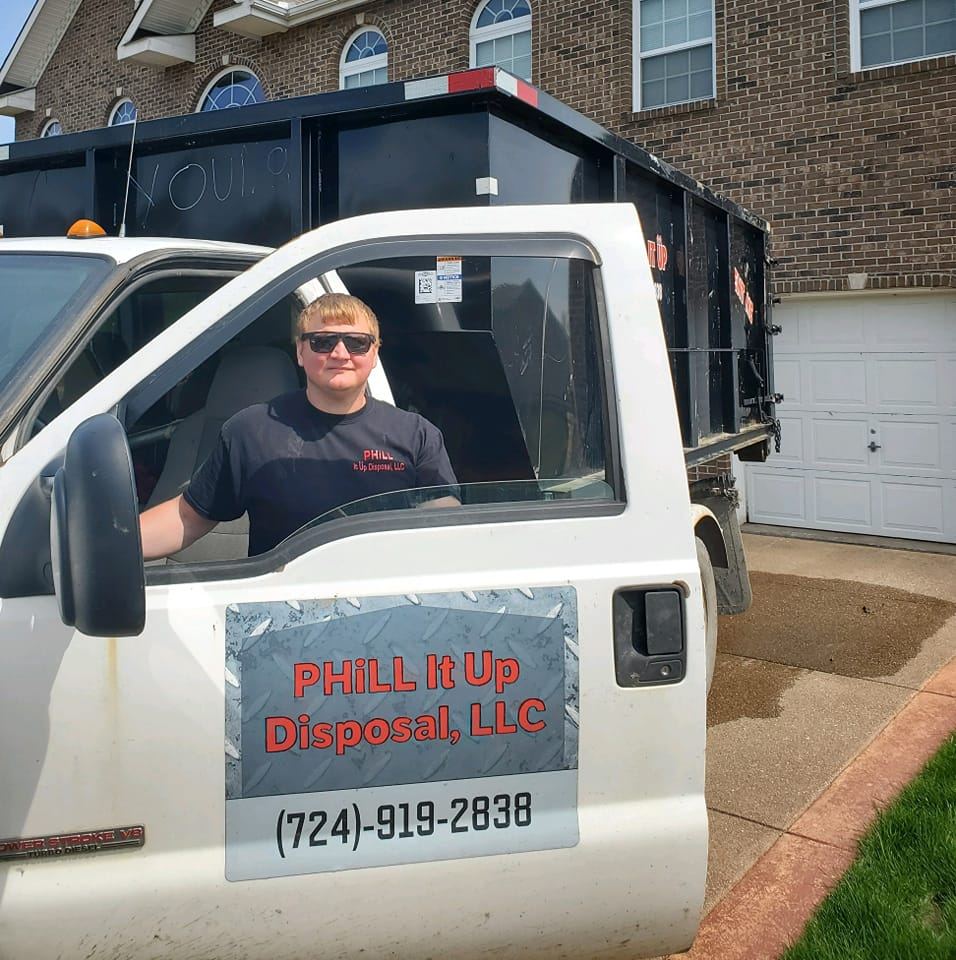
Handling debris after a project or major cleanout can easily get out of hand. Piles of unwanted materials, broken items, and general clutter can slow progress. Without an organized approach, cleanup can take far longer than expected. Slow removal not only delays progress but can create safety hazards. Finding a plan that streamlines removal helps projects move forward smoothly. Fast debris removal keeps work areas clear and safe.
At PHiLL It Up Disposal, LLC, we provide solutions to keep cleanup organized and efficient. Having a designated removal system allows work to stay on schedule. Proper organization supports smooth workflow and accessibility. Using the appropriate containers and tools simplifies handling and saves time. This approach ensures that cleanup tasks don’t slow down the overall project. When debris is handled systematically, progress continues steadily.
Overcoming Cleanup Obstacles
Debris ranges from lightweight trash to heavy or awkward materials. Each type requires different handling methods. Heavy or awkward items pose lifting risks. Smaller debris spreads throughout the site, slowing progress significantly. Without a proper system in place, the site can become cluttered. Understanding the scope of debris at the start helps keep tasks under control.
Another challenge is managing the waste without disrupting ongoing work or daily activities. In larger cleanouts, piles can hinder progress. Identifying potential obstacles and planning their removal in advance prevents these issues. Sorting debris by type or size can also speed up disposal. Proper preparation keeps the site manageable. Addressing challenges proactively saves time and energy.
Creating an Efficient Cleanup Plan
Planning ensures smooth project progress. Begin by identifying materials and their handling needs. Determine where each category of debris should go and how it will be handled. Planning organizing disposal points streamlines workflow. Scheduling cleanup keeps work areas clear. A clear strategy maintains consistency and efficiency.
A structured approach prepares for different debris handling needs. Different debris demands unique tools and care. Planning ahead avoids last-minute improvisation. This reduces interruptions. Having a strategy prevents hazards. A thoughtful plan supports efficiency from start to finish.
Using Dumpster Rental to Simplify Cleanup
Dumpster rental simplifies waste management. Having a single dumpster prevents scattered debris. Instead of handling debris in small batches, all debris is collected efficiently. This simplifies the process and saves both time and energy. Centralizing waste in a dumpster prevents obstacles. Cleanup feels manageable.
With PHiLL It Up Disposal, LLC, dumpster rental makes cleanup predictable and easy. Our dumpsters handle both bulky and light waste. Placing a dumpster in convenient locations speeds up cleanup. This maintains productivity. Centralized disposal keeps the work area safe and accessible. Using a reliable dumpster service is a get more info key component of fast and efficient cleanup.
Organizing Waste for Quick Removal
Sorting debris helps accelerate removal. Categorizing materials by type and size prevents delays. Sorting keeps the site organized. It also supports sustainable waste management. A small investment of time in sorting can save a great deal during the overall cleanup process. Organized debris keeps the project on track.
Sorting enhances workflow. Workers can handle each type of material more efficiently when it is grouped properly. This minimizes accidents. Proper sorting keeps dumpsters organized and fully utilized. Efficient debris handling keeps cleanup flowing smoothly from start to finish. Sorting improves overall cleanup efficiency.
Ensuring Safety While Removing Debris
Safety should be a top priority in every cleanup. Debris left scattered around can create tripping hazards, block access, and pose risks of injury. Keeping the workspace tidy and clutter-free reduces these dangers. Protective gear, including gloves, boots, and eye protection, keeps workers safe. Monitoring the area to spot risks prevents disruptions. Safety protocols make cleanup more reliable.
Proper waste management supports secure working conditions. Centralized disposal, using a single collection point, prevents clutter from spreading. This reduces hazards while improving workflow. A safe environment helps work continue uninterrupted. Consistent attention to safety ensures efficiency. Clean and organized spaces enhance workflow.
Time- and Energy-Saving Cleanup Techniques
Efficiency is essential when removing debris from a project site. Using safe lifting, organized stages, and nearby tools minimizes fatigue. Grouping similar tasks together also streamlines the workflow. Regularly managing containers keeps debris from piling up. Working with a plan supports consistent progress. Efficiency saves time and energy.
Planning your workflow in advance allows you to anticipate bottlenecks and address them proactively with clear responsibilities improves flow. Using dumpsters effectively reduces wasted effort. Time and energy are maximized with structured cleanup. Efficient work practices support steady momentum. Maintaining momentum supports timely completion.
Ensuring a Fast and Organized Cleanup
A smooth cleanup requires preparation, organization, and effective waste management. Having a well-thought-out plan with centralized disposal and safe practices. Centralized disposal keeps clutter out of the way. Clean spaces allow smoother progress. Every step contributes to faster results. Momentum continues when work is structured.
PHiLL It Up Disposal, LLC provides dependable dumpster rental for efficient cleanup. By offering dumpsters for easy debris disposal, we reduce delays and increase productivity, teams maintain steady progress. Organized and safe disposal supports faster results and a more manageable cleanup process. Fast debris removal is possible with proper planning and equipment. Effective waste management enhances safety and efficiency.